
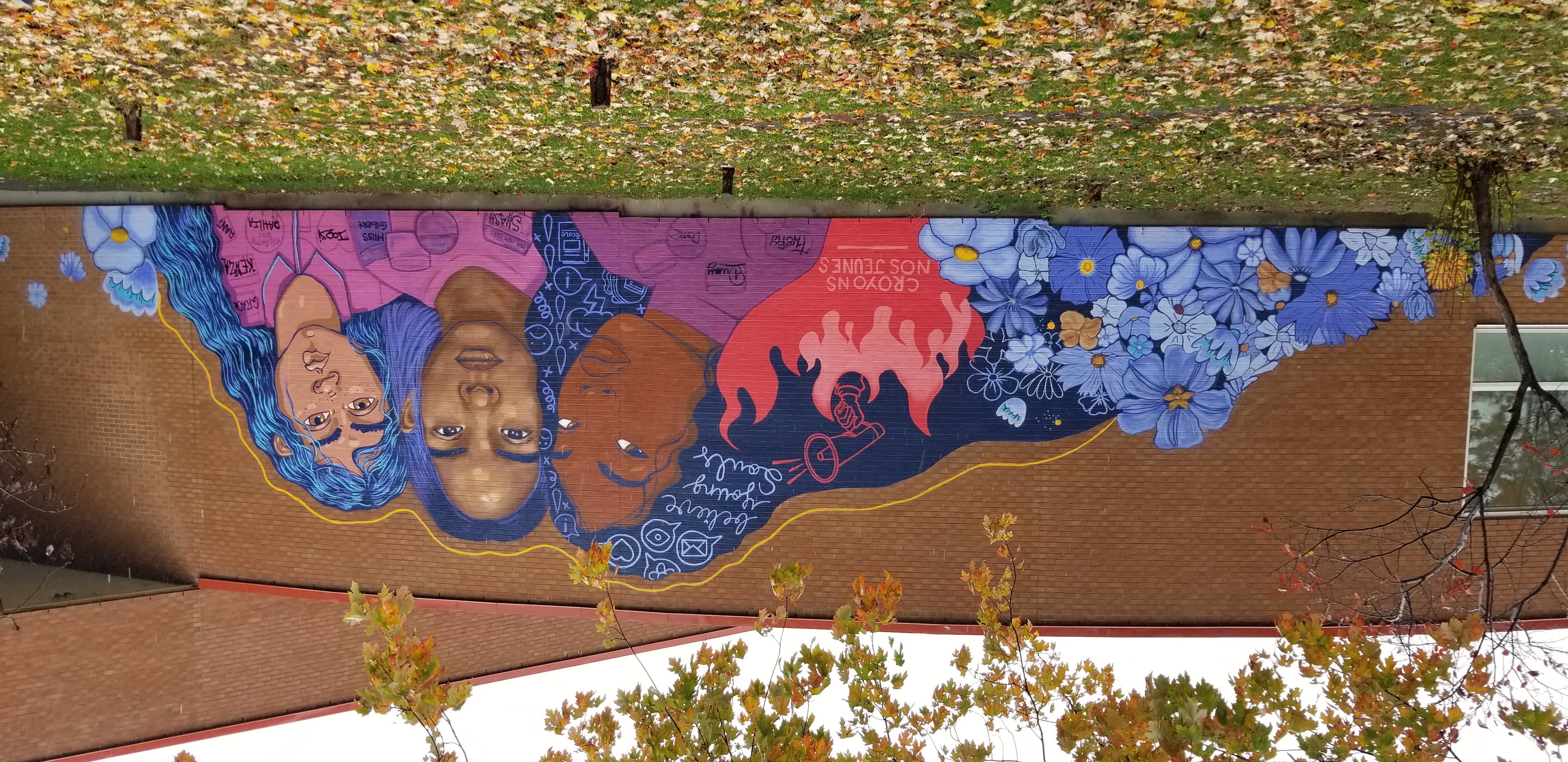
Love, conflict, food, play, art, money, power, sex, family, religion, music, games, language and communication, health concerns, technology, resistance, the environment – these among many other things are a universal part of being human! However, they have changed in many ways since our species, Homo sapiens, first emerged. Further, they do not mean the same for all peoples of the world. This course introduces students to the perspectives and methods that anthropologists use to understand what it means to be human, with all our similarities and differences. Through the lenses of cultural anthropology, biological anthropology, archaeology, and linguistic anthropology, we will seek to understand humanity through a holistic perspective that considers all aspects of our lives to be inter-related and inter-dependent. By tracing our evolution as a species students will be able to contextualize biological and cultural changes over time in relation to our environments and to consider how our biological and cultural aspects are intertwined. Considering our biological and cultural similarities and differences across peoples allows students to understand how resourceful and resilient humans are and that all cultures have their own internal logic and ways of adapting to changing circumstances while maintaining a sense of cultural cohesion over time. These perspectives are helpful to anyone wanting to work toward a world in which human diversity is considered a strength and in which our unity as a species brings us together toward well-being and respect for all.
- Editing Teacher: Jacky Vallée
- Editing Teacher: Charlotte Moore
- Editing Teacher: Marc Viaud
- Editing Teacher: Fatina Siblini
This course is designed to enhance students’ reading, writing, note taking, study skills, study habits, critical thinking and research techniques. Having done the required course work, by the end of this course, students will be prepared to meet the rigors of college-level studies.
- Editing Teacher: Jacky Vallée