
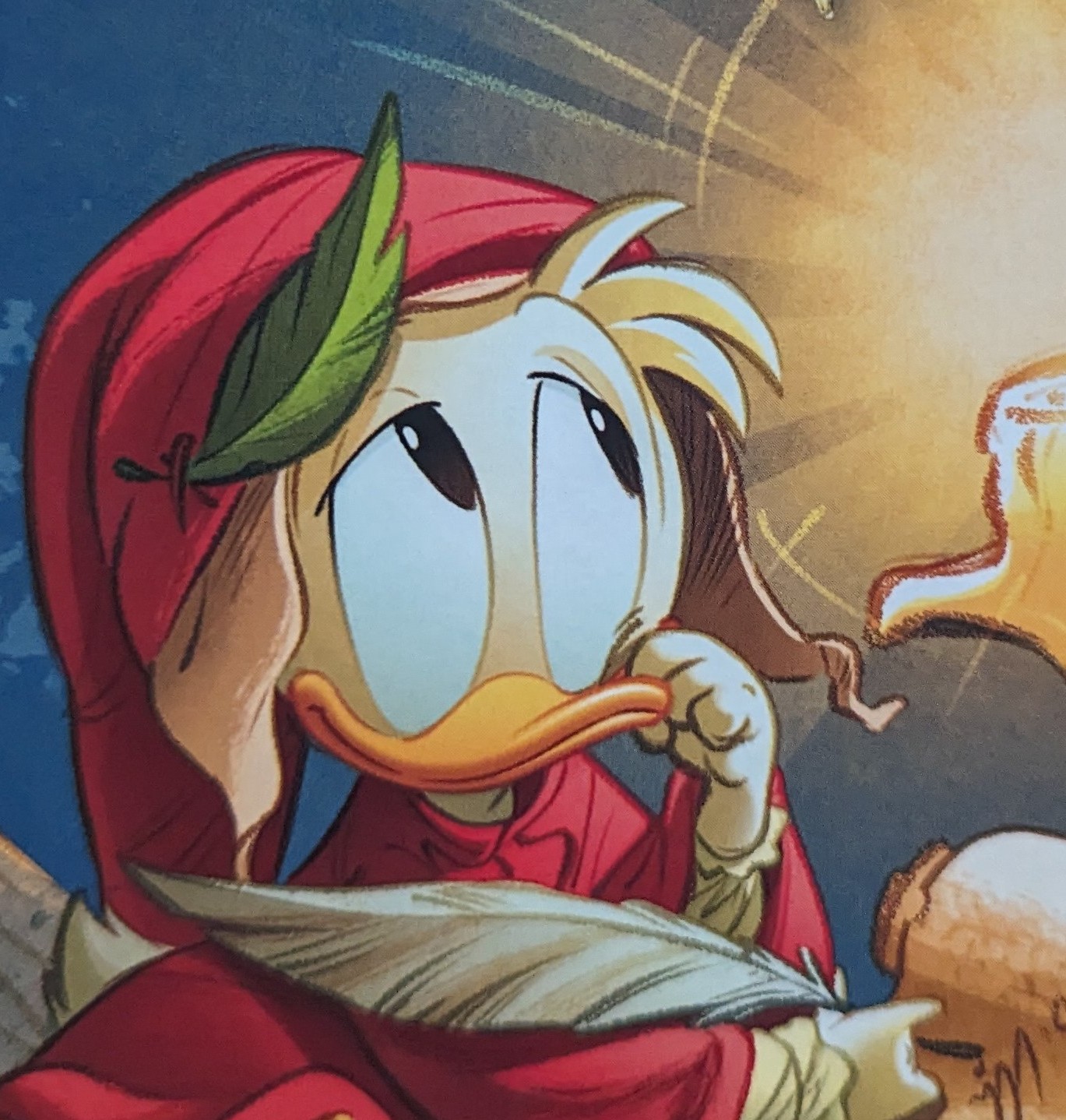
This course will begin by examining the historical and literary importance of Dante Alighieri’s Divina Commedia, a medieval text that immediately impacted the society in which he lived. The Divine Comedy is an exemplary allegorical work and is imbued with a multifaceted abundance. Even though it was created an ocean away, over 700 years ago in what would later become the Italian language, it has continued to influence contemporary writers, filmmakers, artists, composers, and video game producers. It is comprised of three parts: Inferno, Purgatorio, and Paradiso.
This course’s main focus will be on the Inferno, Dante’s trek through Hell since it has had the greatest cross-cultural impact. We will cover Purgatorio and Paradiso after the mid-point of the semester. Although the second and third parts of his epic aren't as read, they are the key to fully understanding this text and Dante's journey.
- Editing Teacher: Nancy Giacomini
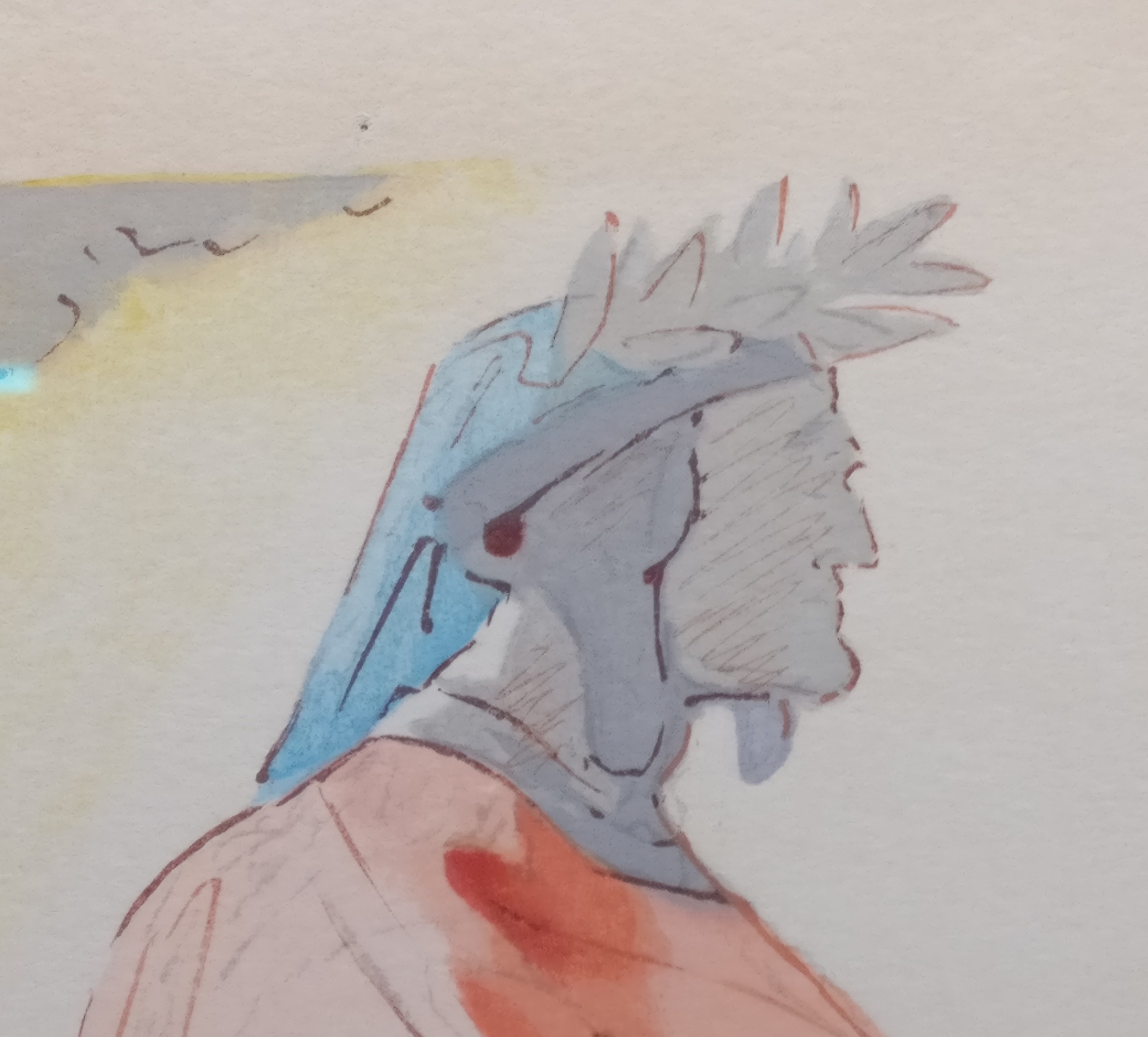
This course will begin by examining the historical and literary importance of Dante Alighieri’s Divina Commedia, a medieval text that immediately impacted the society in which he lived. The Divine Comedy is an exemplary allegorical work and is imbued with a multifaceted abundance. Even though it was created an ocean away, over 700 years ago in what would later become the Italian language, it has continued to influence contemporary writers, filmmakers, artists, composers, and video game producers. It is comprised of three parts: Inferno, Purgatorio, and Paradiso.
This course’s main focus will be on the Inferno, Dante’s trek through Hell since it has had the greatest cross-cultural impact. We will cover Purgatorio and Paradiso after the mid-point of the semester. Although the second and third parts of his epic aren't as read, they are the key to fully understanding this text and Dante's journey.
- Editing Teacher: Nancy Giacomini
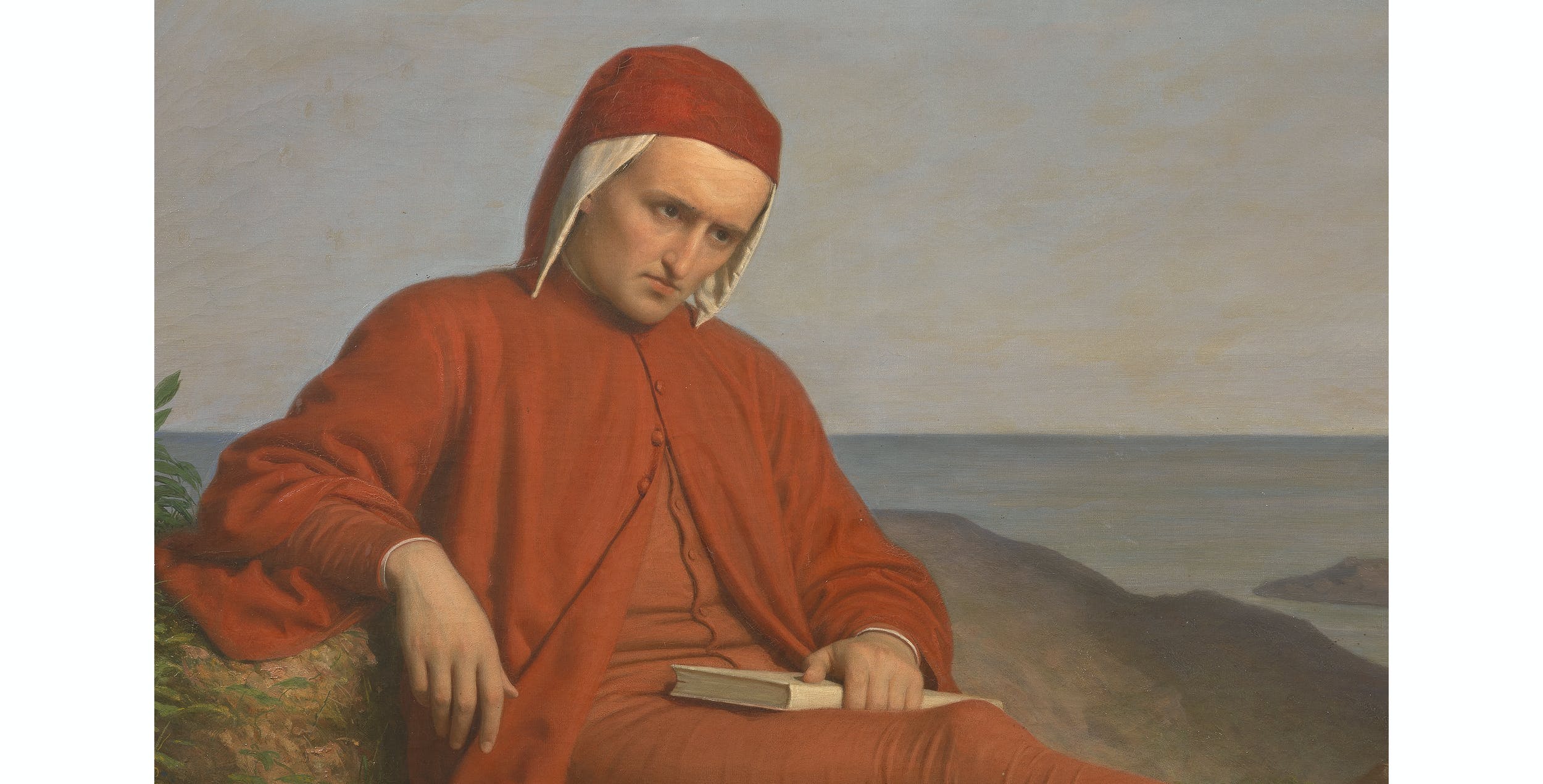
This course will begin by examining the historical and literary importance of Dante Alighieri’s Divina Commedia, a medieval text that immediately impacted the society in which he lived. The Divine Comedy is an exemplary allegorical work and is imbued with a multifaceted abundance. Even though it was created an ocean away, over 700 years ago in what would later become the Italian language, it has continued to influence contemporary writers, filmmakers, artists, composers, and video game producers. It is comprised of three parts: Inferno, Purgatorio, and Paradiso.
This course’s main focus will be on the Inferno, Dante’s trek through Hell since it has had the greatest cross-cultural impact. We will, however, cover Purgatorio and Paradiso toward the end of term.
- Editing Teacher: Nancy Giacomini
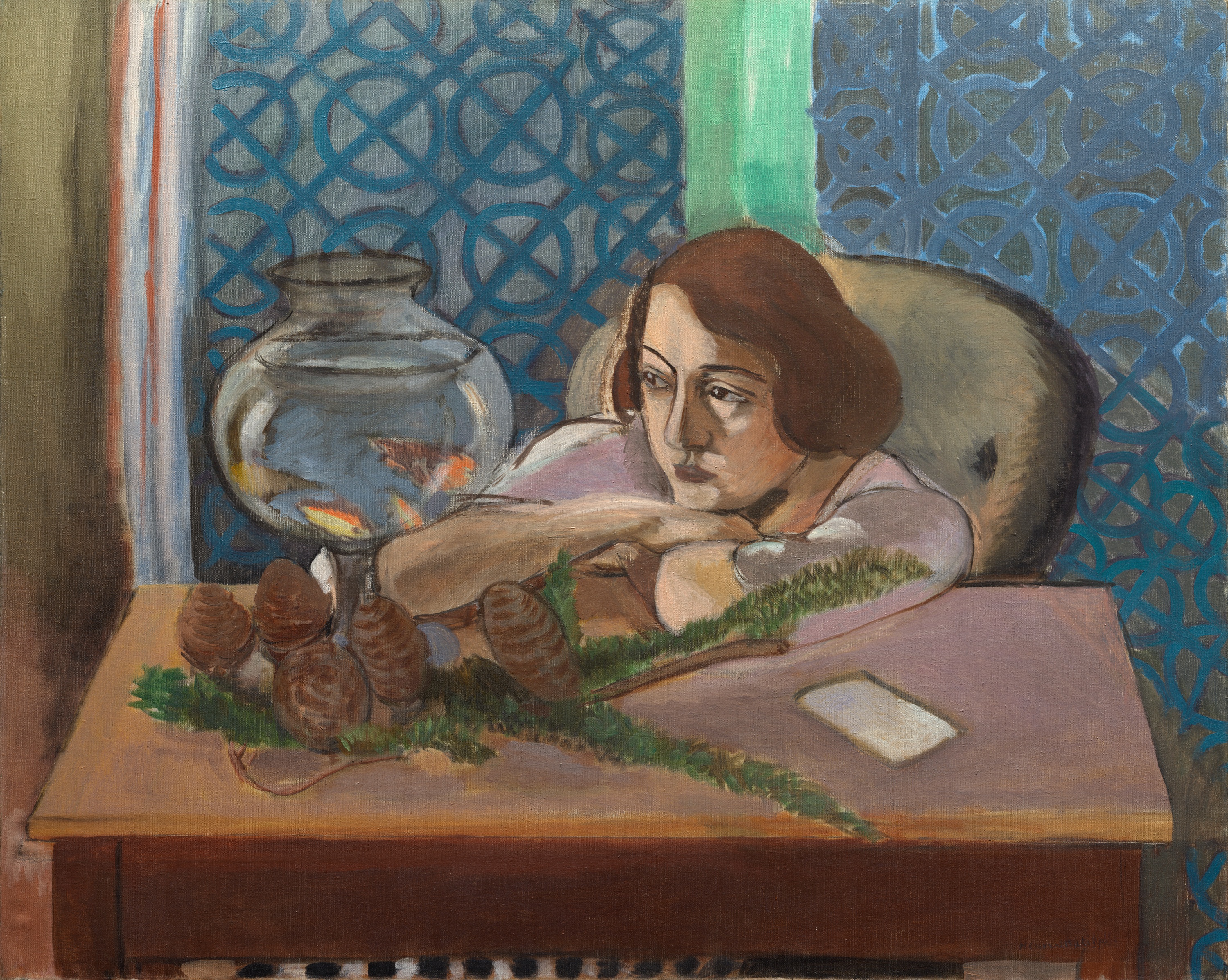
"Every man's memory is his private literature." - Aldous Huxley
When we're children, we're taught to remember what our names are and where we live. Later, we remember to bring our keys with us when we leave the house, how to ride our bicycles without falling down, and how to make toast without burning it. We also remember stories and experiences and feelings and desires. Memories can comfort us or haunt us; they can clarify past events or confused them. Albert Einstein once described memory as deceptive because it's less reliable than it seems, written anew in every moment that it's recalled, influenced by the present even as it stems from the past. Through an analysis of literary texts from a range of genres, this course will examine the theme of memory as it is found in literature and as it influences the writing of literature.
- Editing Teacher: Stacey DeWolfe
- Editing Teacher: Alana Baskind

- Editing Teacher: Alana Baskind
- Editing Teacher: Brock Hanly
- Editing Teacher: Brock Hanly
- Editing Teacher: Brock Hanly